


The Railyard
Lexington, KY
- Project Type
- Mixed-use multifamily
- Product
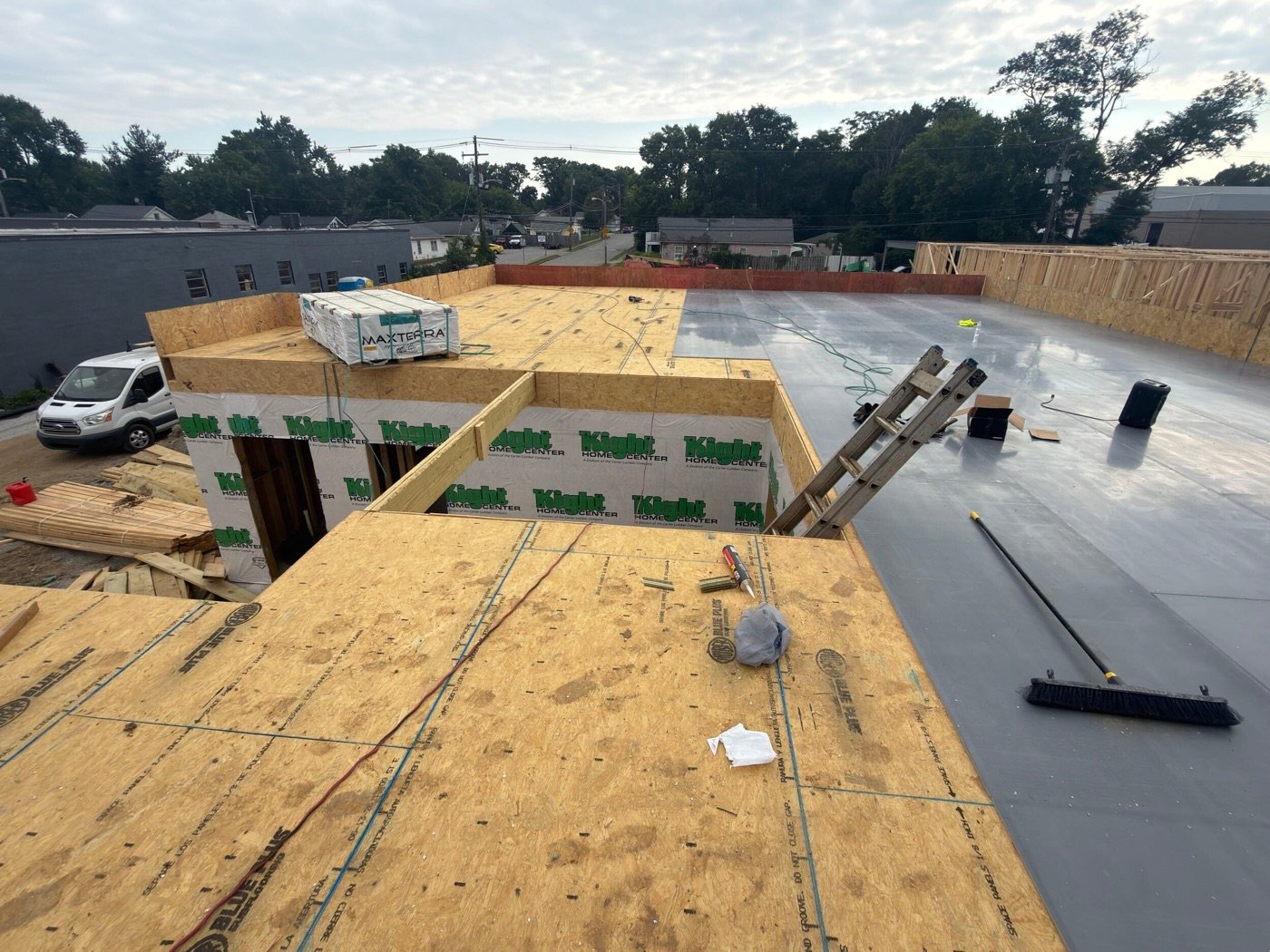
- 1/2″ MAXTERRA® Flooring Underlayment
- Framing Type
- Wood Framing
- Location
- Lexington, KY
- Units
- 32 apartments + 2 retail spaces
- Owner
- 1000 Delaware LLC
“We wouldn’t be halfway done if we had to use gypcrete.”
Earl Raglin, Project Manager, Mefford Contracting
General Contractor
Mefford Contracting
Architect
Studio A Architecture
Framing / MAXTERRA Installer
DK Builders
Supplier
Kight Home Center (a division of Carter Lumber)
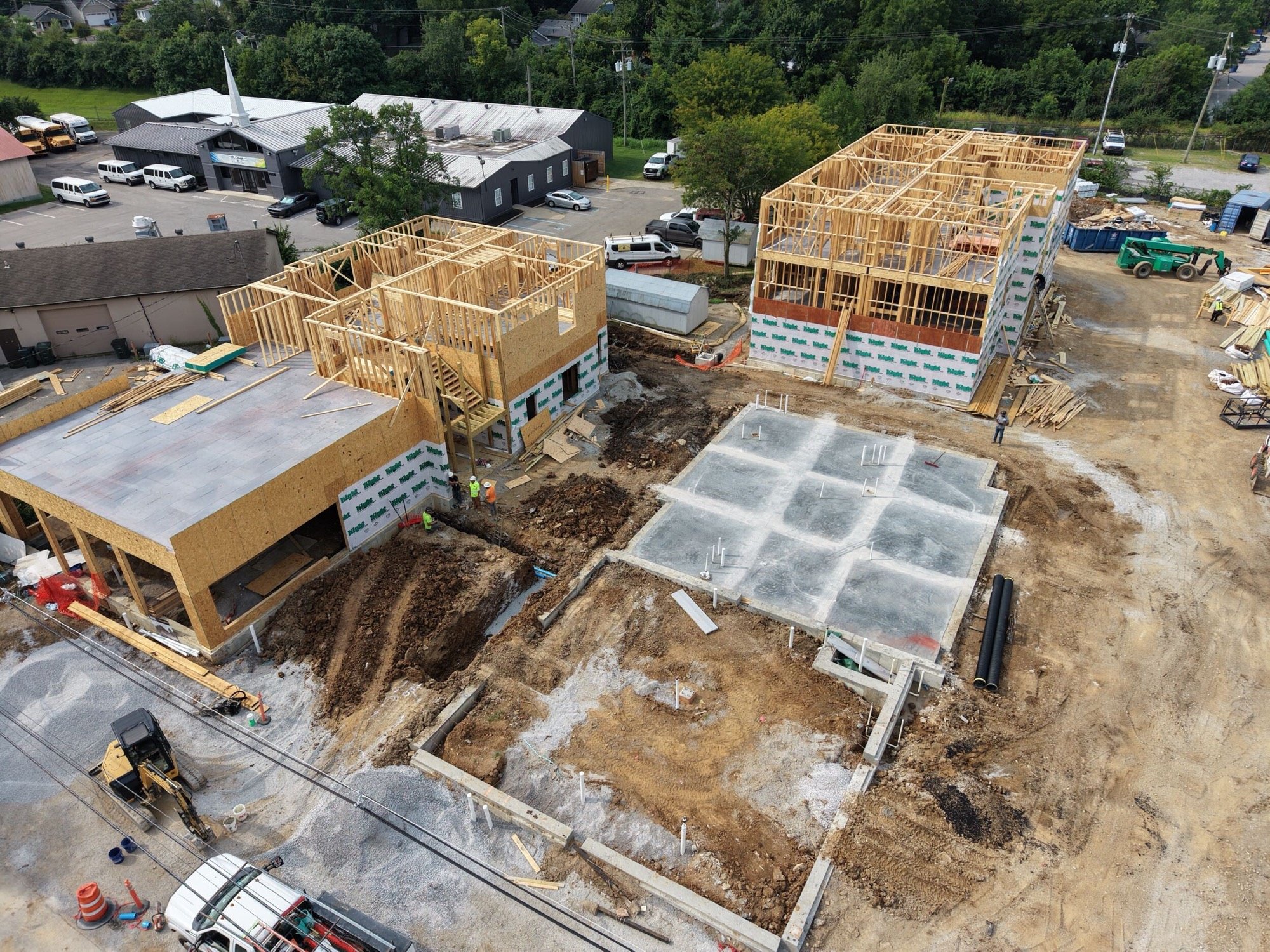
In Lexington, KY, a vacant former industrial site is taking on a new purpose. Named The Railyard in recognition of the site’s history as a railroad hub for both freight and passenger trains, the new development will transform the property into a walkable, three-building community with 32 apartments and two retail spaces. Developed by 1000 Delaware LLC, the project also includes 12 apartments reserved for households earning up to 80% of the area’s median income.
While gypcrete had already been specified for the floors, there was one problem: general contractor Mefford Contracting had difficulty finding qualified installers.
“When we started looking at gypcrete, there weren’t many people around here to pour it,” said Earl Raglin, project manager at Mefford Contracting.
That led Raglin to explore alternatives. He found MAXTERRA® cement panels through Kight Home Center, and introduced it to project manager Neil Dees of Studio A Architecture and the developer at 1000 Delaware LLC, Will Hanrahan.
“We broke even on material costs, but the real savings of using MAXTERRA® are time and easier coordination,” said Hanrahan.
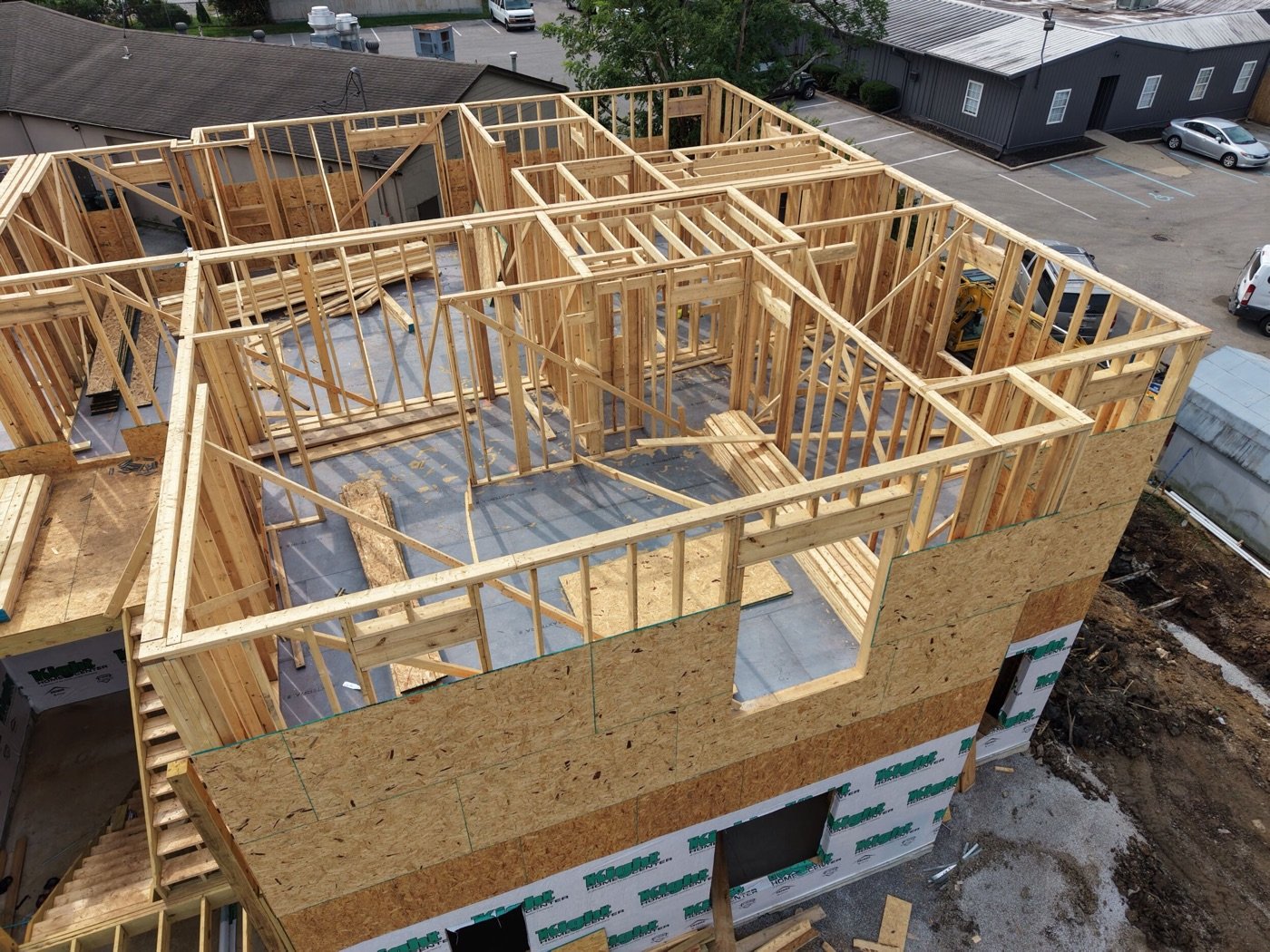
For The Railyard, one of the main benefits was that MAXTERRA® cement panels could be installed by the framing crew already working on the project, eliminating the need to bring in a separate wet-trade subcontractor. Unlike poured gypcrete, the panels also eliminated the associated curing and drying period, giving Raglin greater flexibility to sequence subsequent work without waiting for another trade to mobilize and the floor to cure.
“Saving time has been the biggest thing,” Raglin says. “Gypcrete takes seven to eight days of curing time and a period to settle in.”
Currently in progress, the project is expected to be completed by April 2027.